In this article
The phrase "AI NPC" is used for at least three different things. Sorting them out makes it much easier to tell which demos are meaningful.
Three tiers
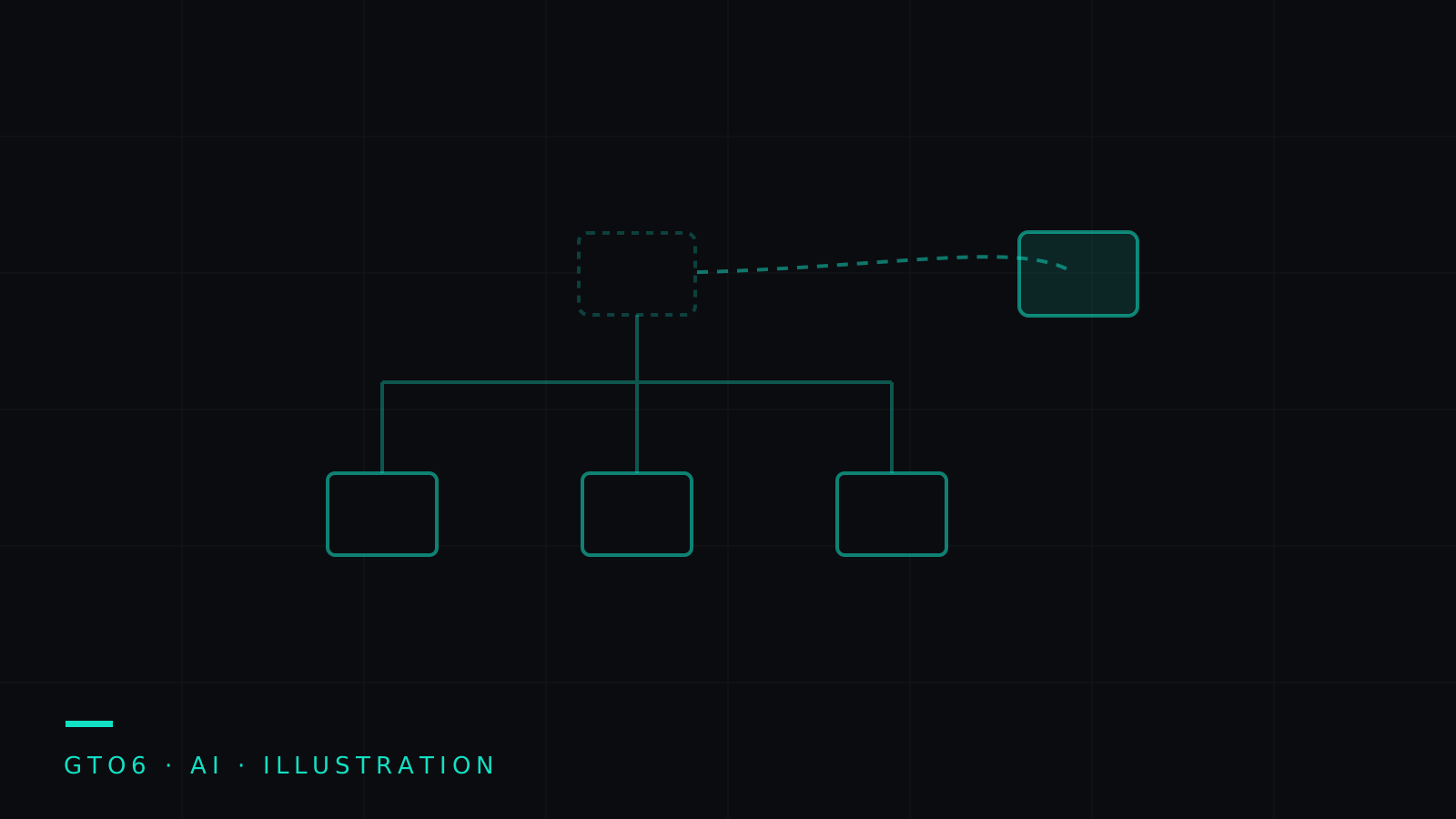
- Better classic AI — improved behaviour trees, utility systems, and navigation. No language model involved. This is where almost all shipped "smart" NPCs still live.
- Scripted dialogue with generated variation — a language model rephrases authored lines or fills small gaps, inside tight guardrails. Low risk, modest payoff.
- Agent-driven characters — an NPC backed by a model that decides what to say and sometimes what to do, given goals and memory. This is the tier that generates the exciting videos and the hard problems.
Why open-ended is hard
A character that can say anything can say something wrong: off-tone, lore- breaking, or offensive. It can also be slow, because a round trip to a model is not free, and inconsistent between sessions because it has no real memory unless you build one. Every studio experimenting here spends most of its effort on constraints, not capability.
Where it fits today
Ambient characters, background chatter, and systemic simulation — places where variety matters more than precision, and where a weird line is a curiosity rather than a crisis. Named story characters remain hand-authored, and will for a while.
Follow this story